
Kilimanjaro National Park
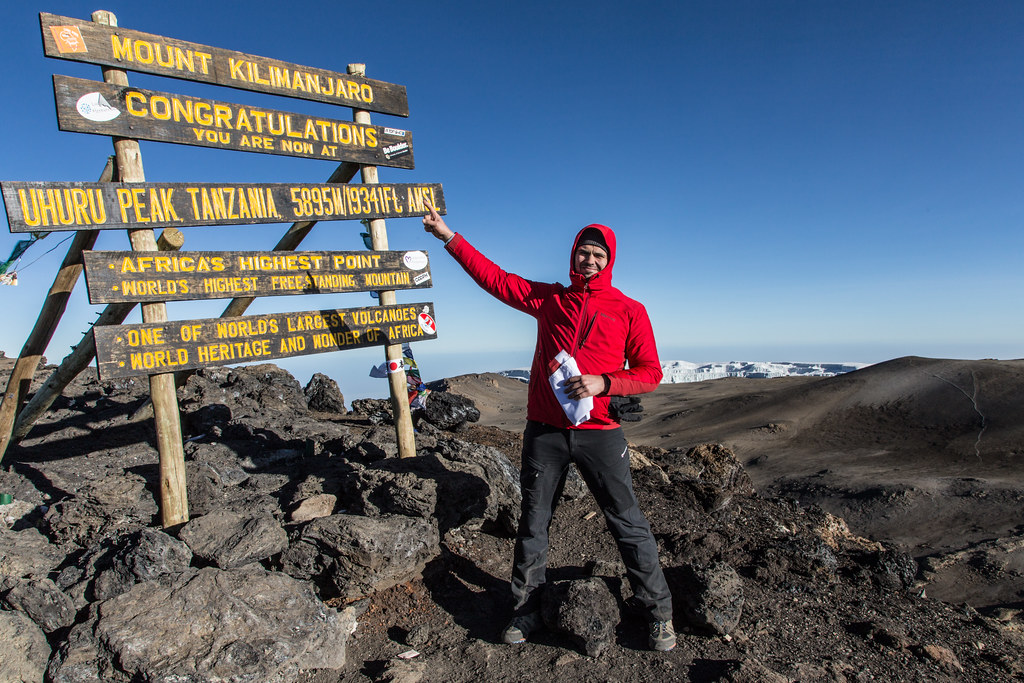
Kilimanjaro national park is located along the Tanzanian northern border with Kenya 300 kilometers south of the equator. It is situated near Moshi city and covers an area of approximately 650 square kilometers and is renowned for sheltering Africa’s tallest mountain, the Kilimanjaro Mountain along with its 3 peaks- Kibo, Mawenzi, and Shira. This is as well the tallest free standing mountain in the world standing at an altitude of 5895 meters above sea level.
This area was established as a national park in 1973, declared as a UNESCO’s World Heritage site in 1987 and a natural wonder of Africa in 2013. The park headquarters of Kilimanjaro national park are located in Marangu, 44km from Moshi town and 86km from Kilimanjaro International Airport.
Mountain Kilimanjaro is the major tourist attraction in Kilimanjaro national park and attracts most adventurous travelers who wish to hike this mountain. Mountain Kilimanjaro hike is a unique and challenging experience with summiting Uhuru as the ultimate accomplishment.
 Other than the Kilimanjaro mountain hike, Kilimanjaro national park is also a wildlife hub inhabiting a variety of wildlife species such as Cape buffaloes that inhabit the montane forests, the grasslands, and the moorlands, the African bush elephants that inhabit Tarakia and Namwai river, Grey duikers and other rodents that live above the timberline area and other wildlife such as leopards and primates such as blue monkeys that occupy the montane forests. It also offers other attractions part of which are the rare and endemic species of flora and fauna with about 2500 species of plants and 140 species of mammals.
Things to do in Kilimanjaro national park
-
Mountain Kilimanjaro Hike
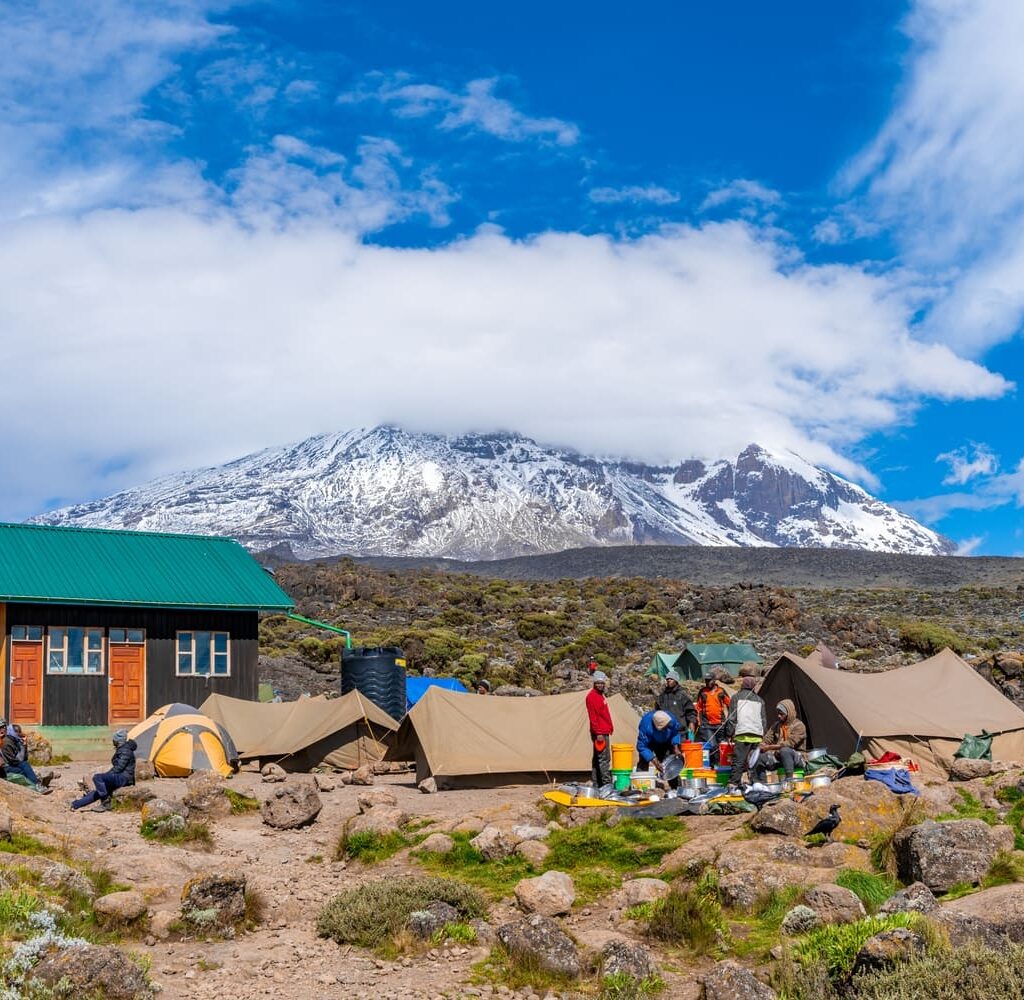
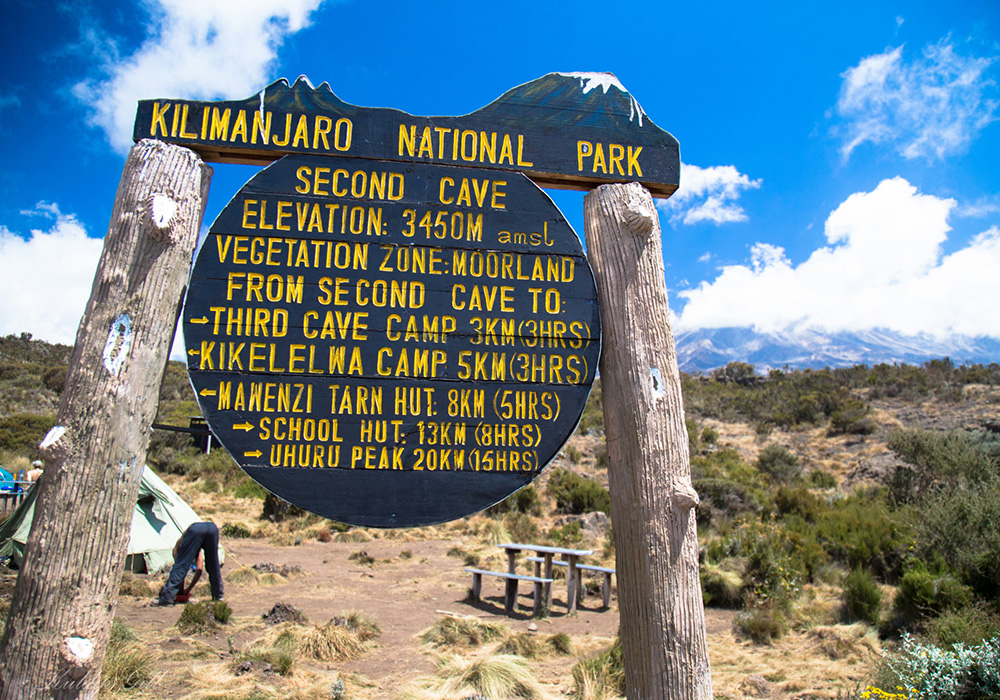
Climbing the Kilimanjaro Mountain is one of the most sought-after activities in Kilimanjaro national park and makes it to most travelers bucket list. The success rate of summiting the Uhuru peak depends largely on the fitness of the hiker and the choice of hiking route; the more the days taken on the hike, the higher the success rate. The Kilimanjaro hike is an adventurous climb that is done through seven different routes that is; the Lemosho route, Machame route, Marangu route, Rongai route, Shira route, Umbwe route and the Northern circuit route all of which require between 5 to 8 days to summit Uhuru.
The Kilimanjaro mountain climb offers hikers an opportunity to encounter the different type of ecological system at one stop from the cultivated land, the rainforest, heath, moorland, alpine desert, to the arctic summit as well as the scenic views of the surrounding landscapes.
-
Game drives
Game drives are one of the commonly done activities in Kilimanjaro national park being this park is home to over 30 wildlife species that inhabit the different vegetation zones. These game drives are done at the different hours of the day that is; the morning game drives, afternoon game drives, and the evening game drives. During these game drives, tourists spot a variety of wildlife species both small and big such as bush babies, dik-dik, duikers, bushbucks, forest elephants, hyenas, and on a lucky day the rare leopards, hyenas, buffalos, baboons, mongoose, among others.
-
Bird watching
Bird watching is another commonly done activity in Kilimanjaro national park. This area hosts over 750 bird species both endemic birds and migratory birds making it one of the best stopping points for bird watching in Tanzania. Birds in Kilimanjaro national park are seen fluttering through the tree canopies and the birds spotted include; the Hartlaub’s turaco, Schalow’s turaco, Violent crested turaco, Narina Trogon, Klaas Cuckoo, African pygmy kingfisher, among others.
Birding in Kilimanjaro national park takes visitors through more forested and scenic routes in the park. It can also be combined with other activities such as the Kilimanjaro mountain hike and nature walk.
-
Visit to Chala crater lake
The Chala Lake is a crater lake at the border between Kenya and Tanzania at the edge of Mount Kilimanjaro inside the crater rim. The waters of this lake change colour from turquoise to emerald green during the different times of the year making it a magnificent sight not worth missing.
The surroundings of the lake comprises camps where travelers can settle and enjoy the beauty of the Chala crater lake at their convenience.
-
Primate trekking
Kilimanjaro national park is home to a number of primates such as baboons, blue monkeys, and black-faced monkeys, among others. During primate trekking, a number of primates are spotted swinging from one tree branch to another and sometimes running on the ground.
Best time to visit Kilimanjaro national park
The best time for a safari to Kilimanjaro national park depends entirely on a traveler’s interests. While the dry season is largely considered the best time for any African safari, it’s the best time of year to visit Kilimanjaro national park for a wildlife safari. This is because during this time of year water sources are scare therefore most animals are seen gathering around the few water sources and the vegetation are short hence great views of the wildlife. The longer dry season runs from June to October and the short dry season runs from January to February.
During the heavier rains between March-May, the shallow salty lakes form and the vegetation blooms providing the perfect conditions for breeding of birds thus attracting migratory birds to this area and a result it is the best time for a bird watching safari.
Where to stay in Kilimanjaro national park
While visiting Kilimanjaro national park there is a variety of accommodation choices to pick from ranging from campsites, budget accommodation, mid-range accommodation, luxury accommodation, among others. Campsites in Kilimanjaro national park include; Simba public campsite, and Ndarakwai campsite. Budget accommodation include; Weru Weru River lodge, Honey Badges lodge, among others. Midrange accommodation include; Babylon lodge, Snowcapped cottages, Amans Hotel, Mountain Kilimanjaro View lodge, among others. Luxury accommodation include; Ndarakwai camp, Kambi ya Tembo, Masai Bomas, Satao Elerai camp, Kilimanjaro mountain resort, Amboseli Sopa lodge, among others.
 How to get to Kilimanjaro national park
Kilimanjaro national park can be accessed by road from Kilimanjaro International Airport since it’s located at a distance of about 76.5 km from Kilimanjaro Airport.
This road transfer follows an air transfer from the different destinations, southern Tanzania national parks and cities within Tanzania such as Dar es Salaam.